If you’ve recently seen someone being called pookie in a text message, TikTok video, or Instagram comment, you’re probably wondering what it really means.
That’s why many people search for pookie slang meaning—to figure out whether it’s romantic, funny, or just another internet trend.
The word pookie has become extremely popular online, especially among couples, friends, and influencers.
It often appears in cute, affectionate contexts, but its tone can change depending on how it’s used. Sometimes it’s sincere, other times it’s playful or even slightly sarcastic.
Because of this variety, understanding the exact meaning behind pookie is important before using it yourself.
In this article, you’ll get a clear and complete explanation of the pookie slang meaning, its origin, usage across platforms, and how to respond to it in different situations.
Meaning & Definition
The pookie slang meaning is simple: it’s a cute nickname used to show affection, love, or closeness toward someone.
It’s similar to calling someone:
- Baby
- Sweetheart
- Honey
- Boo
People use pookie when they feel emotionally close or want to sound playful and loving.
Examples:
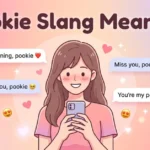
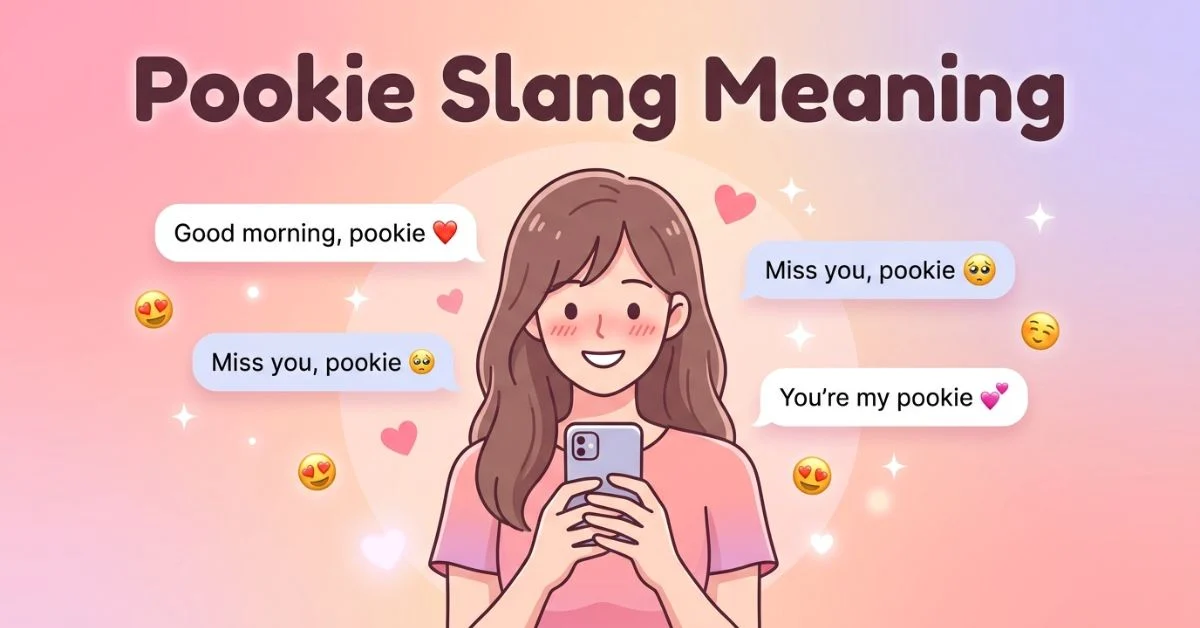
- “Good morning, pookie ❤️”
- “Miss you, pookie!”
- “You’re my pookie forever.”
The tone is usually:
- Romantic (between couples)
- Friendly (between close friends)
- Playful or joking (in memes or trends)
Unlike harsher slang, pookie is almost always positive and affectionate.
Background
The word pookie didn’t start as internet slang. It has been used for decades as a pet name in relationships and families, especially in English-speaking cultures.
Over time, social media platforms like TikTok and Instagram helped revive and popularize it. Around the early 2020s, pookie became trendy again due to:
- Couple content videos
- Cute relationship memes
- Influencers using it in captions and comments
Now, the pookie slang meaning has expanded beyond romantic use. People use it with friends, pets, and even jokingly with strangers online.
Its rise reflects a broader trend: people enjoy using soft, wholesome language in contrast to harsher internet slang.
Usage in Different Contexts (Chat, Social Media, Professional Fields)
Casual Chat
In texting, pookie is used to express closeness:
- “Where are you, pookie?”
- “Come here, pookie 😄”
Social Media
On platforms like TikTok and Instagram:
- Used in captions (“My pookie 💕”)
- Seen in comments for cute or funny effect
- Often part of viral couple trends
Friend Groups
Friends may use it jokingly:
- “Relax, pookie, it’s not that serious.”
Professional Fields
In professional communication, pookie is not appropriate. It’s informal and can seem unprofessional or overly personal.
Meaning in Chat, WhatsApp, Instagram, TikTok
The pookie slang meaning slightly changes depending on the platform:
- WhatsApp: Genuine affection between close people
- Instagram: Cute captions and flirty comments
- TikTok: Trendy, sometimes exaggerated or ironic
- Snapchat: Casual, playful communication
Examples:
- “My pookie finally replied 😍”
- “Don’t talk to my pookie like that!”
On TikTok, it can also be used humorously:
- Calling someone pookie in a dramatic or exaggerated way
Meaning in Physics, Medical, and Aircraft Terminology
In technical fields, pookie has no official meaning:
- Physics: Not used
- Medical: Not a recognized term
- Aircraft: No standard usage
So, if you encounter pookie, it’s almost certainly being used as slang or a nickname.
Common Misconceptions
There are a few misunderstandings about the pookie slang meaning:
- ❌ It’s only for couples → Not true; friends use it too
- ❌ It’s always serious → It can be playful or ironic
- ❌ It’s childish → While cute, it’s widely used by all age groups online
The meaning depends heavily on tone and relationship.
Similar Terms & Alternatives
Here are some similar affectionate terms:
- Baby / Babe – Romantic and common
- Boo – Casual and modern
- Honey / Sweetie – Classic affectionate terms
- Bestie – Friendly, non-romantic
- Love – Warm and caring
Compared to these, pookie feels more cute, soft, and playful.
How to Respond to It
If someone calls you pookie, your response depends on your relationship:
- Romantic response:
- “Miss you too, pookie ❤️”
- Playful response:
- “Okay, pookie 😄”
- If you’re unsure:
- Respond neutrally or ask what they mean
- If uncomfortable:
- Politely set boundaries
Most of the time, it’s meant positively, so a friendly response works best.
Differences from Similar Words
Unlike other nicknames, pookie stands out because:
- It feels more playful and unique
- It’s less formal than “sweetheart”
- It’s softer and cuter than “babe”
It’s often used to create a lighthearted and affectionate tone rather than something serious.
Relevance in Online Conversations & Dating Apps
The pookie slang meaning is highly relevant in today’s digital world:
Dating Apps
- Used as a flirty nickname
- Shows comfort and emotional connection
Online Conversations
- Popular in memes and viral videos
- Reflects a trend toward cute and wholesome language
However, using it too early in conversations may feel awkward, so timing matters.
Conclusion
The pookie slang meaning is all about affection, playfulness, and emotional closeness.
Whether used between couples, friends, or in social media trends, it carries a positive and lighthearted vibe.
While it may sound cute or even silly, its popularity shows how people enjoy expressing warmth in simple, fun ways.
Understanding when and how to use pookie helps you communicate more naturally in modern conversations.
Like all slang, context is key—but in most cases, if someone calls you pookie, it’s a good sign.